BENEFITS
Sustainability
A Façade That Works
with the Climate
When buildings emit less, everyone gains: occupants experience better comfort, owners benefit from more robust and reliable assets, and cities move closer to shared European goals.
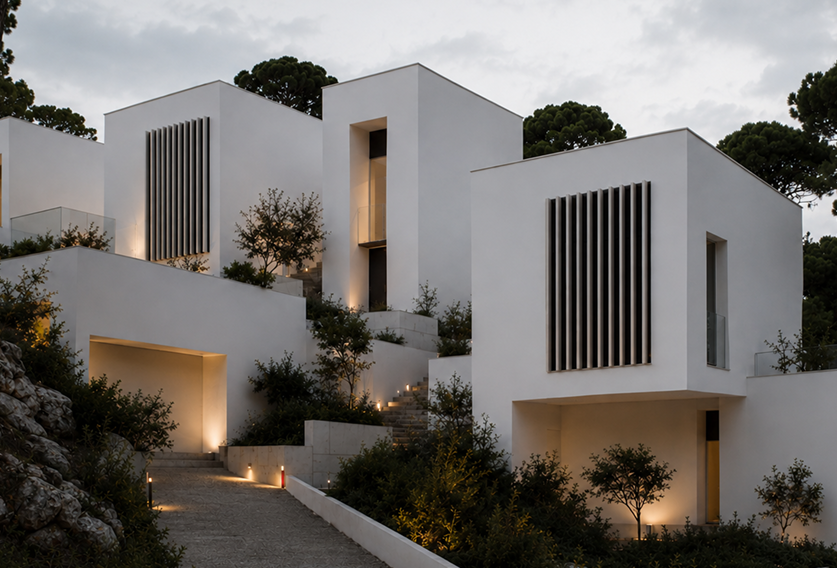

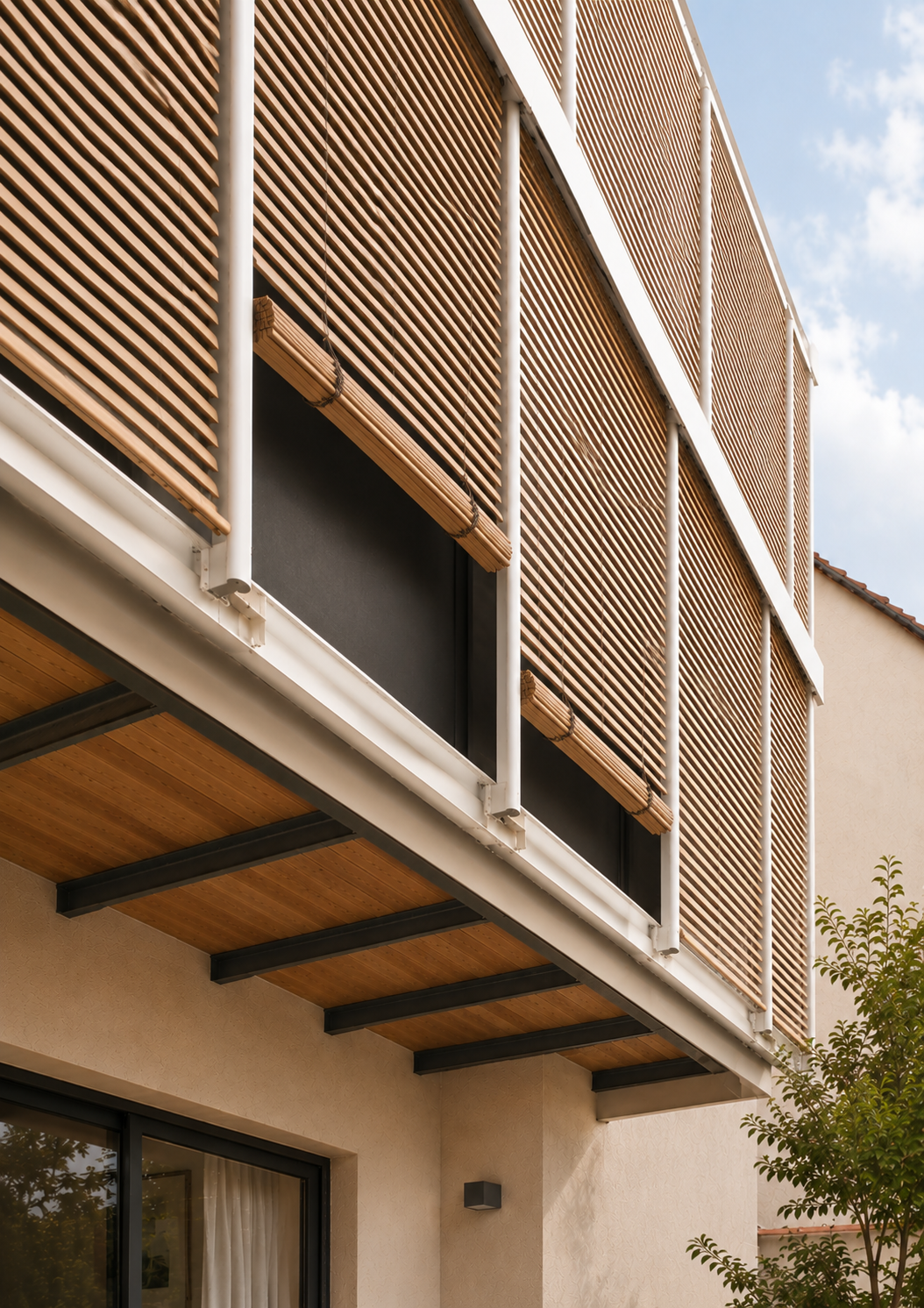
ZERAF contributes to reducing emissions by improving how buildings perform in real conditions. By managing heat exchange at the façade level, it reduces the need for heating and cooling systems to compensate for changing conditions.

Lower emissions follow from better building performance, not from adding complexity. By stabilising indoor conditions and limiting unnecessary heat gains and losses, the façade supports more efficient operation over time. Reduced emissions are not a separate objective, but a direct outcome of improved performance.
INVESTORS
Lower Operational Emissions
- Reduced demand for heating and cooling
- Less reliance on energy‑intensive building systems
- More stable performance across seasons and conditions
This leads to a decrease in operational energy use, particularly during periods of high demand.
Alignment with EPBD
Through the Energy Performance of Buildings Directive (EPBD) and the European Green Deal, the EU is steering the building stock toward lower-emission operation over time.
ZERAF aligns with this direction by addressing energy demand where it originates at the building envelope, supporting the transition towards more efficient and resilient buildings.
A System-Level Contribution
Rather than introducing additional complexity, ZERAF supports sustainability by improving how buildings function as a system.
Choosing ZERAF means:
- lower operational emissions as a direct outcome of façade behaviour
- reduced exposure to evolving regulatory requirements
- buildings that contribute to long-term emission reduction while maintaining performance and value
This leads to a decrease in operational energy use, particularly during periods of high demand.