
BENEFITS
Benefits
ZERAF improves building performance, but its main contribution lies in how it simplifies operation, stabilises behaviour, and reduces uncertainty over time.
Rather than adding complexity, ZERAF addresses performance at the façade level, where heat exchange and comfort are directly influenced.
BENEFITS

Comfort & Performance
ZERAF supports consistent indoor conditions by adapting to changing external and internal environments.


Reduced overheating during critical periods

More stable indoor temperatures across seasons

Improved comfort without reliance on user behaviour
Reduced need for corrective interventions during operation
The façade contributes actively to comfort, instead of acting as a fixed constraint.

Operational Efficiency
By managing heat at the building envelope, ZERAF reduces the effort required to operate buildings efficiently.
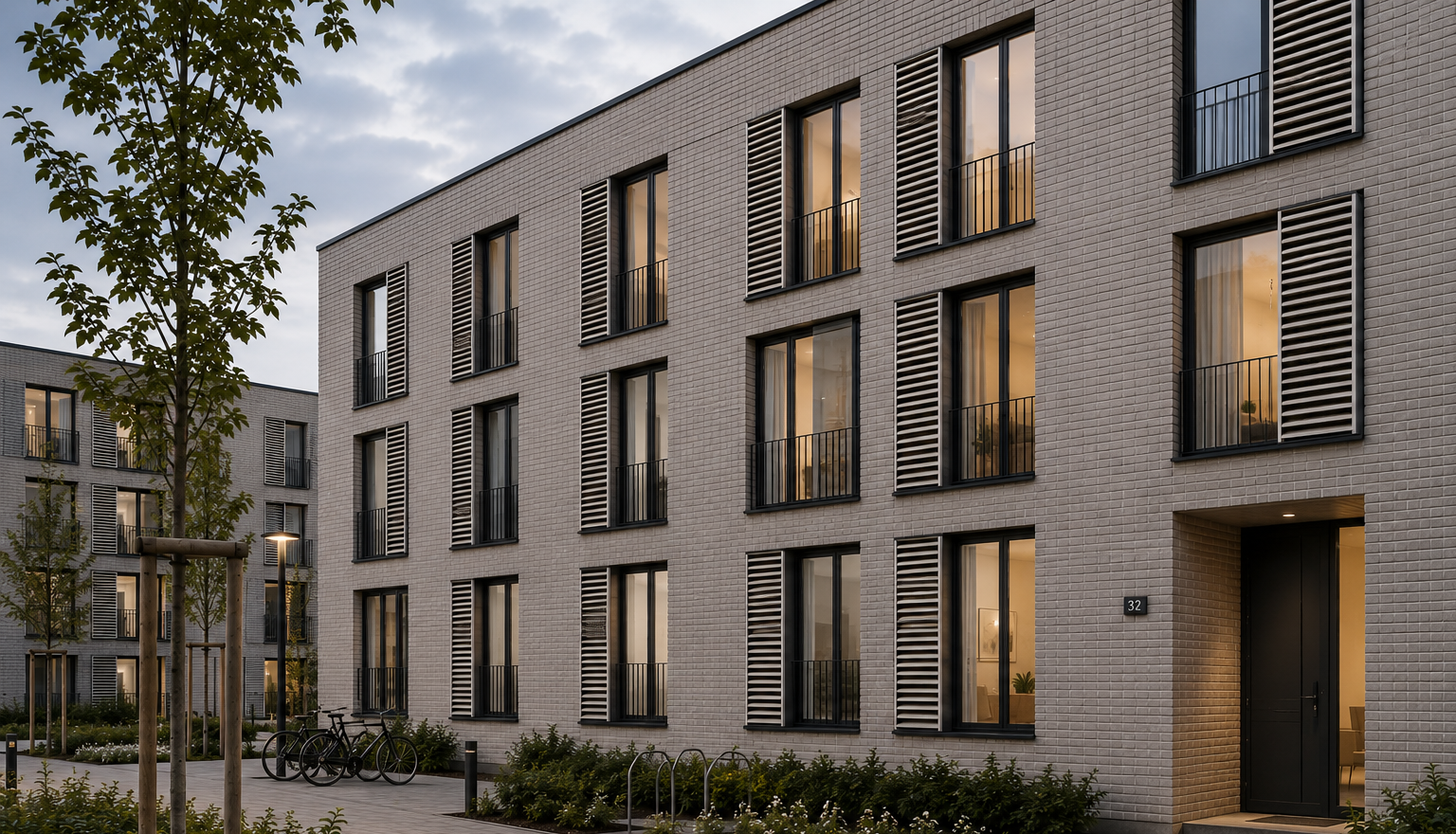
Lower demand on heating and cooling systems

Fewer system interactions and adjustments
Reduced energy and maintenance effort

Simplified facility management
Performance is achieved through the façade, not through increasing system complexity.

Risk Reduction
ZERAF combines façade technology with supporting services, including:
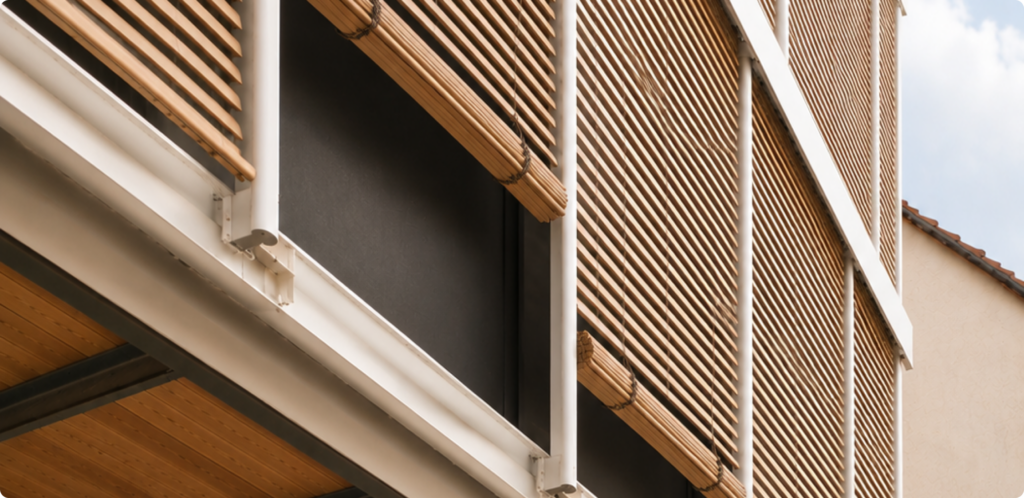

More predictable behaviour over time
Reduced risk of underperformance after delivery or renovation
Fewer operational issues and user complaints
Improved visibility on performance in real conditions
Performance becomes measurable and verifiable, rather than assumed.

Ensuring Performance Over Time
ZERAF combines façade technology with supporting services, including:
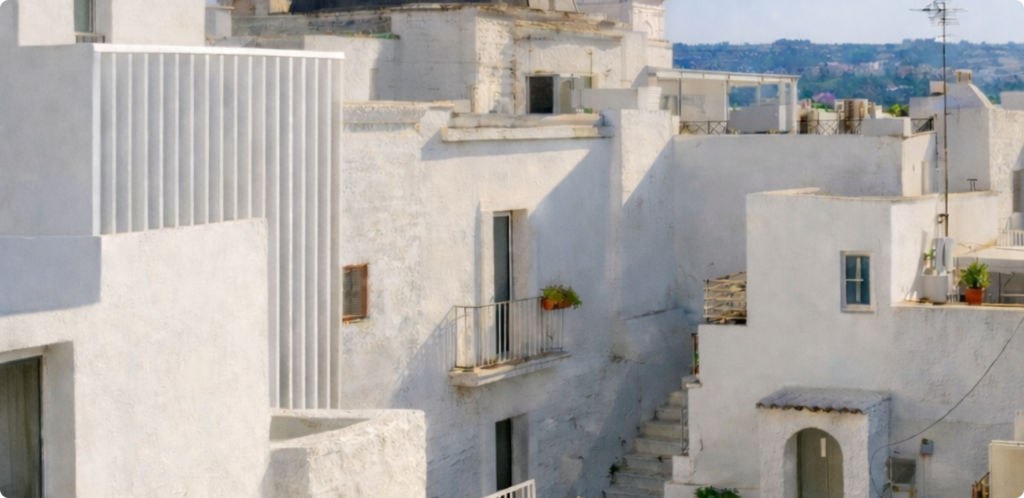

design and specification support

commissioning and integration

monitoring and performance tracking
continuous optimisation
This approach ensures that performance is not only defined in design, but maintained during operation.

Asset Value
A building that maintains its performance and relevance over time, supporting long‑term value.
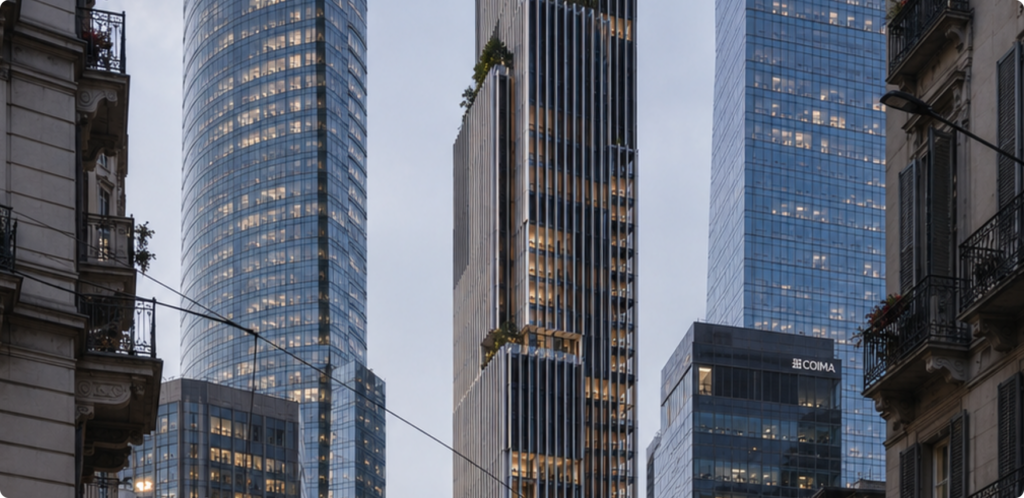
ZERAF contributes to asset quality by embedding performance directly into the building envelope, making it less dependent on operation and maintenance conditions.

Sustainability
ZERAF contributes to lower emissions by improving how buildings perform in real conditions.
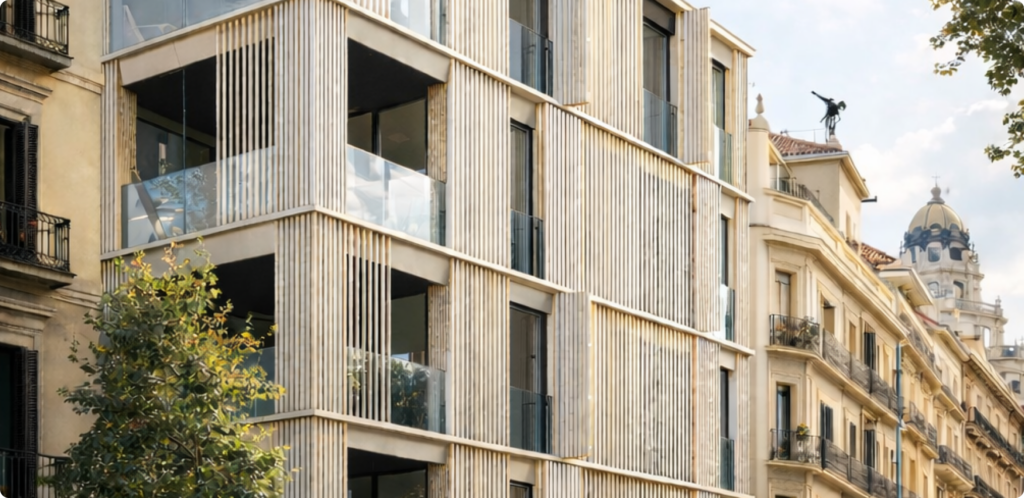
By managing heat at the façade level and reducing reliance on heating and cooling systems, it supports a reduction in operational energy demand over time.